

Introduction
Uterine fibroids are one of the most common gynecological conditions affecting women, particularly during their reproductive years. While they are non-cancerous, fibroids can cause significant discomfort and affect a woman’s daily life, fertility, and overall health. The good news is that with modern medicine, effective diagnosis and treatment options are available to manage this condition successfully.
What Are Fibroids?
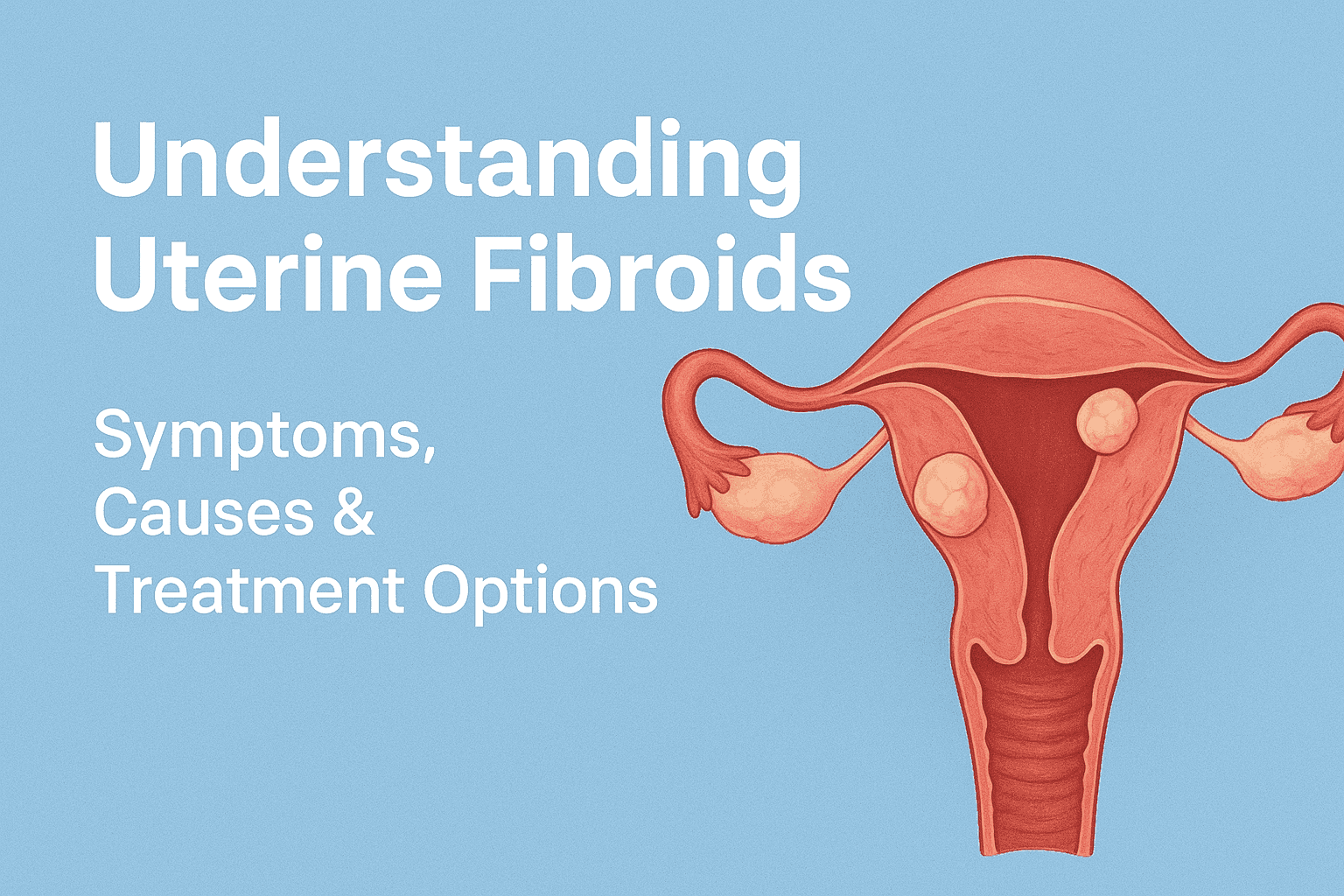
Fibroids, also known as leiomyomas or myomas, are benign growths in the uterus. They develop from the muscle tissue of the uterus and can vary in size from very small nodules to large masses that distort the uterine structure.
Common Symptoms of Fibroids
Not every woman with fibroids will experience symptoms. However, when they do occur, they may include:
- Heavy or prolonged menstrual bleeding
- Pelvic pain or pressure
- Frequent urination due to pressure on the bladder
- Backache or leg pain
- Difficulty conceiving or complications during pregnancy
If you notice any of these symptoms, it is important to consult a qualified gynecologist for evaluation.
What Causes Fibroids?
The exact cause of fibroids is not fully understood, but several factors may contribute to their development:
- Hormones: Estrogen and progesterone promote fibroid growth.
- Genetics: A family history of fibroids increases the risk.
- Lifestyle Factors: Obesity and poor diet may raise the chances of developing fibroids.
- Age: Women between 30 and 50 are more likely to develop them.
Diagnosis of Fibroids
Fibroids are usually diagnosed through:
- Pelvic examination
- Ultrasound imaging
- MRI scans (in more complex cases)
- Hysteroscopy (to examine inside the uterus)
Early diagnosis ensures better treatment outcomes.
Treatment Options for Fibroids
The treatment for fibroids depends on their size, symptoms, and the woman’s desire for future fertility. Some common approaches include:
- Medication: To manage heavy bleeding and shrink fibroids.
- Minimally Invasive Procedures: Such as laparoscopy, hysteroscopy, or uterine artery embolization.
- Surgical Treatment: Myomectomy (removal of fibroids while preserving the uterus) or hysterectomy (removal of the uterus, in severe cases).
- Lifestyle Management: Healthy diet, exercise, and stress management can help in symptom control.
Living with Fibroids
While fibroids can cause discomfort, timely medical intervention can improve quality of life significantly. Many women successfully manage fibroids with treatment and go on to live healthy, fulfilling lives.
Conclusion
Fibroids are common but treatable. If you are experiencing symptoms such as heavy periods, pelvic pain, or difficulty conceiving, don’t ignore them. Early consultation with a specialist like Dr. Hrishikesh Pai can help you explore the best treatment options and regain control over your health.